Sectoral opportunities

Priority Sectors

Five priority sectors offer potential contexts for testing structured reciprocal exchange. The descriptions below outline areas for validation, not completed transactions or confirmed partnerships.

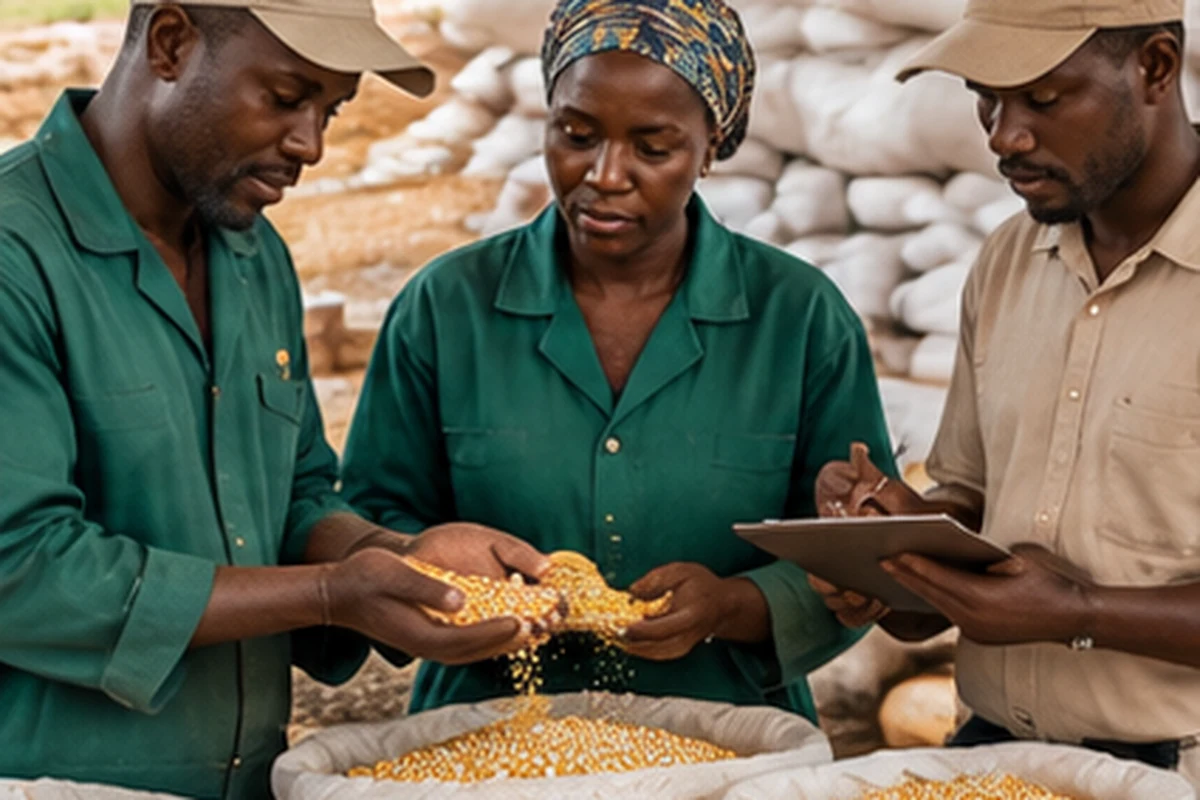
Illustrative scene of agricultural producers handling grain and documenting stocks

Food for Inputs

A potential exchange relationship could connect agricultural producers or cooperatives with documented commodity stocks to counterparties supplying fertiliser, seeds or agrochemicals.

Considerations for validation

Potential controls include asset verification, reference-based valuation, matching, contracting, joint inspection and licensed-channel settlement for residual balances.


Illustrative industrial energy facility with engineers reviewing equipment

Energy for Manufacturing

Energy and gas are potential areas for considering how productive inputs and industrial needs may fit within structured exchange arrangements.

Considerations for validation

Any use would require reliable reference benchmarks, metered delivery evidence, contractual terms and appropriate regulatory and commercial validation.

Illustrative geologist examining mineral samples at a mining site

Critical Minerals for Infrastructure

Certified mineral lots and infrastructure requirements may be considered, including potential government-to-government or public-private arrangements where appropriate.

Considerations for validation

Geological certification, independent assay evidence, reference methodology and multi-party contracting are central considerations.

Illustrative pharmaceutical quality technician inspecting packaged medicines

Pharmaceuticals for Local Products

Pharmaceuticals and locally produced goods may offer opportunities to explore complementary supply and demand through structured exchange.

Considerations for validation

Product quality, regulatory status, traceability, storage and other sector-specific requirements would need verification; no transactions or partners are claimed here.

Illustrative small-business owners checking stock and inventory in a warehouse

SME Trade-Exchange Ecosystem

An SME ecosystem could enable eligible inventory and other documented commercial assets to be considered for reciprocal exchange.

Considerations for validation

Participant qualification, asset documentation, aggregator arrangements and careful settlement controls would require validation.

No implied commercial relationship

These sector examples describe potential areas for exploration. They do not identify verified participants, signed agreements, supply commitments or completed exchanges. Images are illustrative and do not depict confirmed Zamani Africa projects or participants.